
List of Cryptocurrencies Classified as Security by U.S. SEC in Binance Suit
Read about the U.S. SEC’s identification of 12 cryptocurrencies as securities allegedly offered by Binance.

Read about the U.S. SEC’s identification of 12 cryptocurrencies as securities allegedly offered by Binance.

The SEC’s lawsuit alleges that Binance, Binance.US, and CZ offered unregistered securities to the public, including the BNB token.

The PSE is preparing to introduce “short selling” in the local equities market after closing its trading floor for a year.

The Commissioner emphasized the need for registration in offering securities, cautioning the exchange for providing unregistered derivatives in the country.

Learn about the SEC’s intensified efforts against financial misconduct, prosecuting 375 individuals in 56 cases, sentencing Rigen Wellness executives, and dismantling an illegal online lending operation.
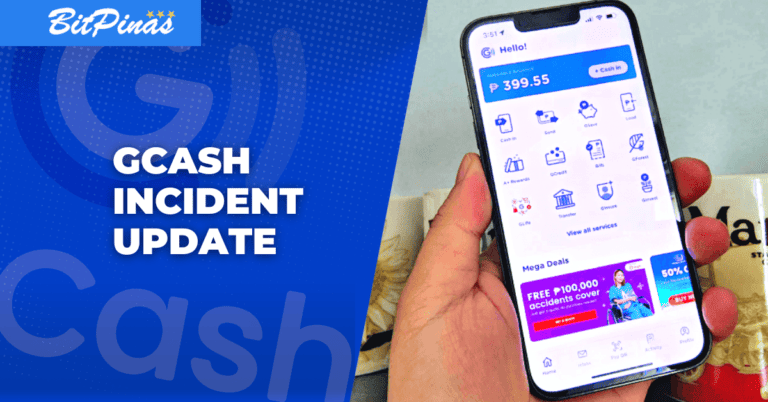
The recent investigation by the National Privacy Commission has confirmed that the GCash security breach was caused by phishing attacks.
The international watchdog confirmed that it is now working on recommendations for stablecoins and other crypto asset activities.
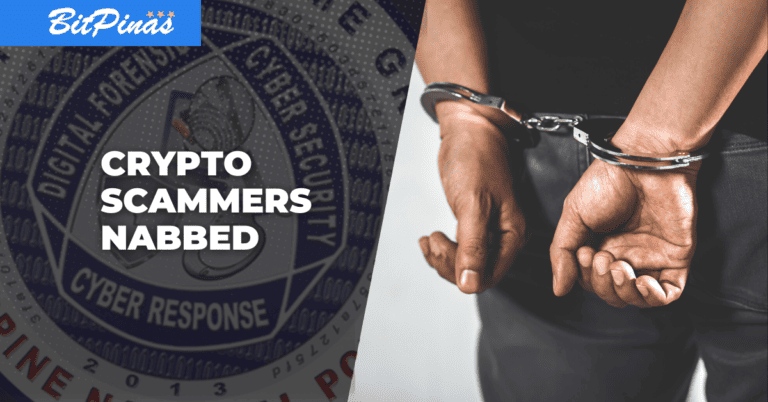
Read about the recent raid made by the PNP-ACG in Pasig City on five individuals scamming those who were once victims of crypto scams.
Read the latest news about Gemini in the Philippines, as they’re accused of violating the country’s securities laws.
The Securities and Exchange Commission (SEC) has made significant strides in its crackdown on illegal lending, securing another legal victory.