
BSP Suspends Inbound InstaPay and PESONet Transfers for Coins.ph E-Wallet Operator
The BSP has partially suspended Coins.ph operator DCPay, blocking inbound InstaPay and PESONet transfers. Outbound and QRPh payments remain active.

The BSP has partially suspended Coins.ph operator DCPay, blocking inbound InstaPay and PESONet transfers. Outbound and QRPh payments remain active.

The Philippine central bank is enforcing strict new vetting rules for e-wallets after thousands of illegal online casinos masqueraded as bakeries and beauty salons.

Lower inter-bank fees and widespread QR Ph adoption pushed digital payments to 64.7% of all retail transactions in the Philippines.

Data published by PayMongo indicated that the national QR standard surpassed the combined shares of credit cards and e-wallets, registering a 510% year-over-year growth from its 16% share in 2025.

The company indicated that more tokens are slated for integration into the payment flow in the coming months.

PDAX introduces a personal InstaPay QR feature that enables faster peso deposits while expanding into gold-backed tokens and blockchain payment infrastructure.

This development would allow Ronin users to spend PHPC directly from their wallets at over 600,000 QRPh-enabled merchants across the country.

Filipinos can now pay in stores using crypto through Bybit Pay, which works with QR Ph and supports 16 different coins.

Bitget Wallet users can use crypto and payments can be made wherever QR Ph are accepted.
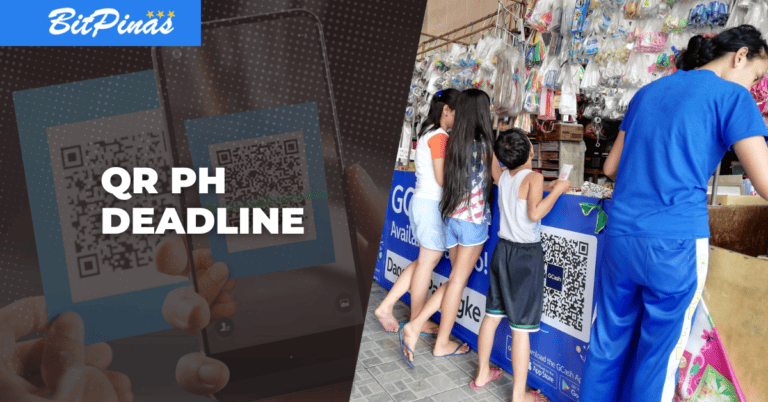
As per the memorandum, payment services and financial institutions will be allowed to transition to the QR Ph until June 30, 2023