For Safer Cross-Chain Moves, Chainlink Unveils ‘Transporter’ App
Leveraging Chainlink’s CCIP, Transporter ensures robust security and ease of use for individuals and institutions.
Leveraging Chainlink’s CCIP, Transporter ensures robust security and ease of use for individuals and institutions.
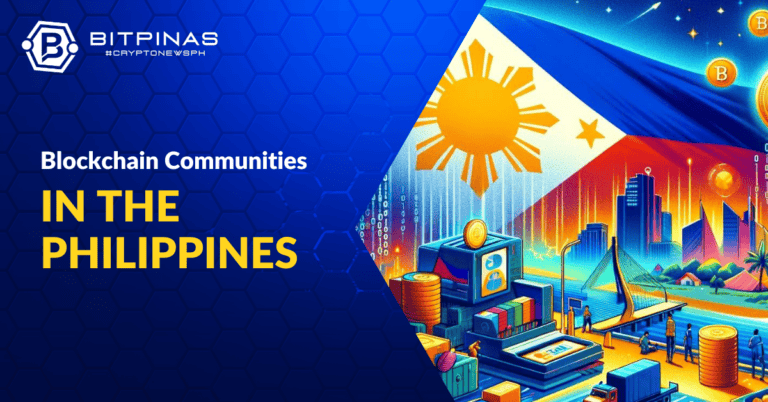
Check out the blockchains with a concerted effort to push for blockchain adoption in the Philippines.
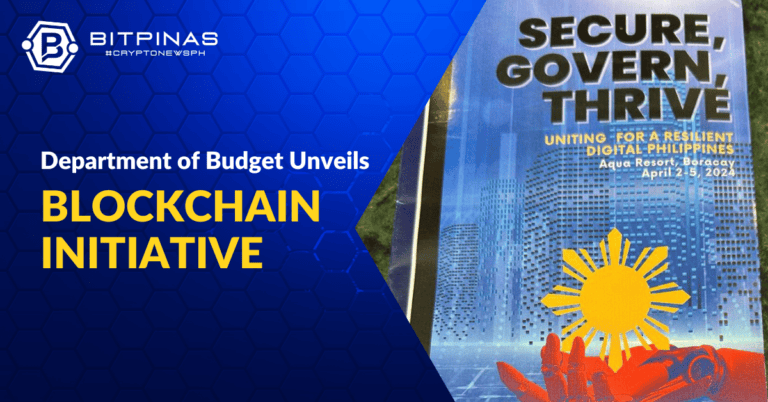
At the heart of this initiative is the concept of the “INVISIBLE Government,” a vision introduced by Undersecretary Sasa Del Rosario.
Explore real-world blockchain applications in the Philippines, from combating crypto scams to revolutionizing education
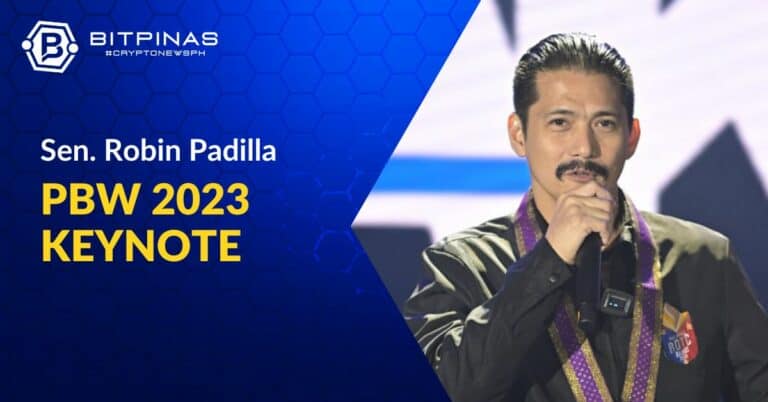
Senator Robinhood Padilla showed his intention to support a bill that will focus on blockchain adoption in the country.

In the realm of the Internet, the code underpins various products and services across platforms. Programmers play a key role in it. It is fair to say that programmers are indispensable to the current Internet world. This article is an op-ed contributed by Coinex: Code Is Law: Web3 World in the Eyes of a Programmer….
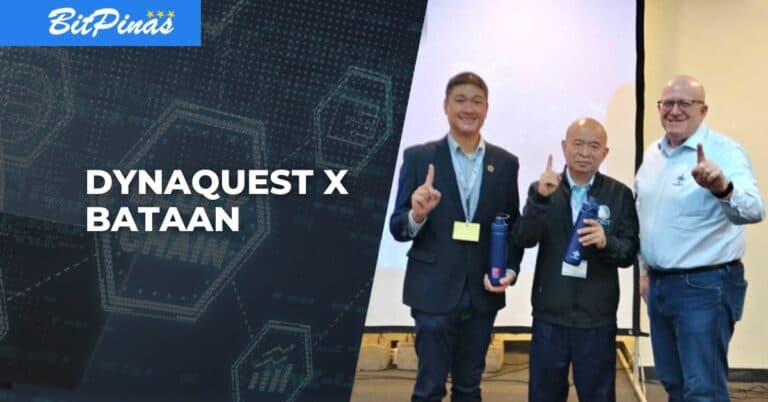
Learn more about the blockchain fundamentals workshop organized by the Bataan Public-Private Partnership and Investment Center and DynaQuest.
Discover the fascinating origins and key milestones of Bitcoin’s history, its impact on the financial landscape, and its growing relevance in the Philippines in this comprehensive article.
Learn about Binance’s partnership with the Philippines’ Department of Information and Communications Technology (DICT) and the Cybercrime Investigation and Coordinating Center (CICC) to operate the National Cybercrime Hub, aimed at combating cybercrimes in the country.
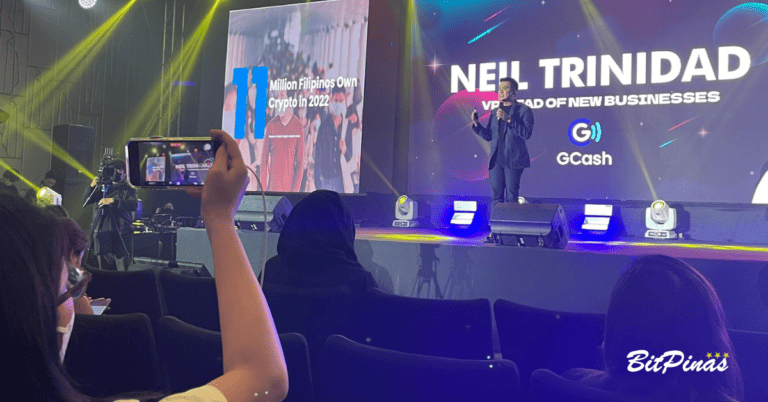
GCash, teases upcoming innovations at the March 30th event, GCash FutureCast: The Future of Fintech is Here, with potential updates on GCrypto.