[After Long Silence] Binance Assures PH Users Following SEC Demand; Google, Apple Urged to Hear All Sides
Binance also stressed that the situation is just temporary.
![[After Long Silence] Binance Assures PH Users Following SEC Demand; Google, Apple Urged to Hear All Sides](https://bitpinas.com/wp-content/uploads/2023/08/BitPinas-Banner-768x403.png "[After Long Silence] Binance Assures PH Users Following SEC Demand; Google, Apple Urged to Hear All Sides 1")
Binance also stressed that the situation is just temporary.
The SEC moves with its intention to ban the Binance app in the Philippines by sending requests to Google and Apple to remove the app in their respective app stores.
Former Solicitor General Florin ‘Pilo’ Hilbay launches ‘Basta Bitcoin,’ a podcast exploring the evolution of money and its broad impact on society, law, and economics, presented in Taglish.
Accessible to all 18 million users by May, the course covers Bitcoin economics and aims to empower Filipinos in navigating the crypto landscape.
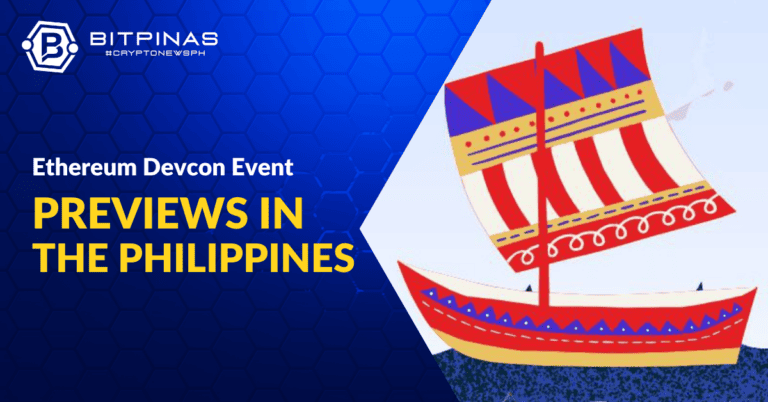
Learn about the Ethereum Developer Conference (Devcon) in the Philippines with ETH63’s event, a precursor to Devcon Southeast Asia.
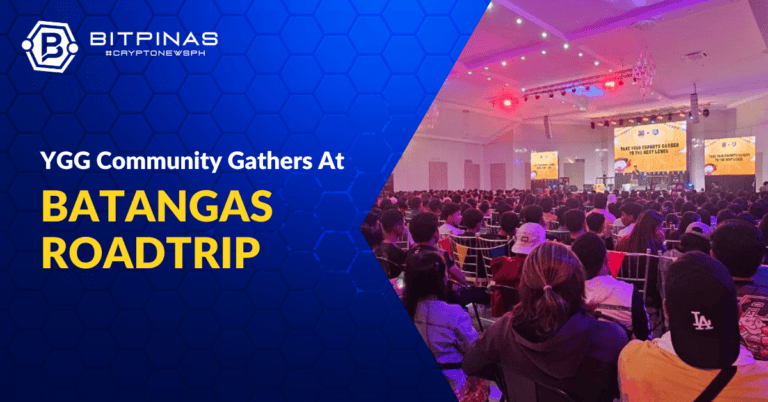
A Community That Shows Up: Eloisa Panganiban of Synergy Guild shares insights on the activities from the recently held Batangas leg of the YGG Pilipinas Roadtrip.
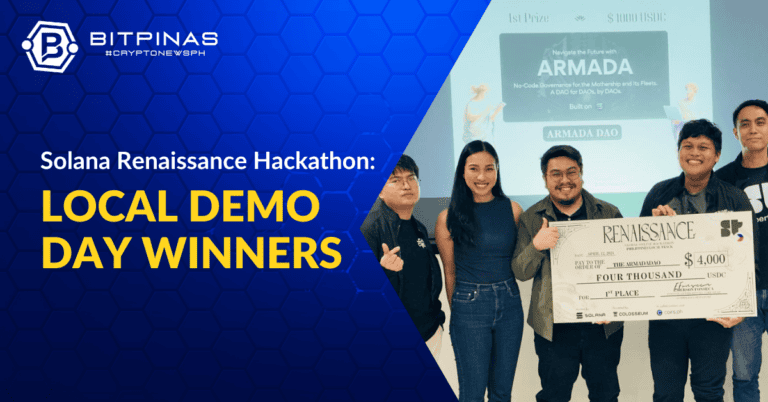
The Solana Renaissance Hackathon is a global event promoting innovation within the Solana network, with a special focus on the Philippines during its Local Demo Day.
YGG token, the native asset of Yield Guild Games, is now available for trading on GCrypto, providing access to over 80 million GCash users.
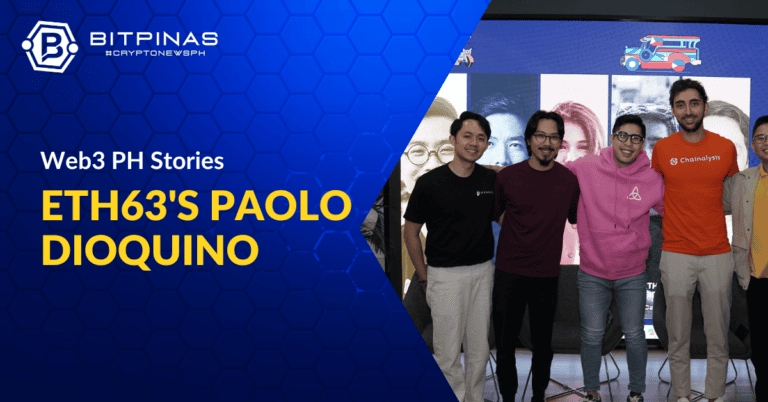
Discover Paolo Dioquino’s journey from Ethereum enthusiast to leadership within ETH63, his insights on community engagement, and ETH63’s initiatives to spread Ethereum awareness in the Philippines.
Coins.ph and Tether are going to launch co-campaigns for blockchain and stablecoin education in the country.